After a storm hits Michigan, quick action protects your home and family. There are practical steps to handle roof storm damage and other storm-related issues. Learn how to inspect your roof, siding, and windows for damage, and get a storm damage repair guide on documenting damage for insurance claims. Our roof storm damage checklist is designed to help you minimize further damage and expedite the restoration process, ensuring your home is safe and secure.
Immediate Safety Tips After a Storm
After a storm, prioritizing safety should be the first step. Check for immediate dangers, such as downed power lines, which can be extremely hazardous. If you smell gas, leave the area immediately and call emergency services to prevent the risk of explosion or fire. Avoid entering damaged parts of your home until they are safe.
If your home is severely damaged, consider staying elsewhere temporarily to keep your family safe. Keep a battery-powered radio or a charged phone nearby to receive weather updates and emergency instructions from local authorities. Always prioritize the safety of your family before dealing with property damage.
How to Assess Storm Damage to Your Home
After ensuring safety, you should evaluate the storm’s impact on your home. Begin by walking around your property to spot visible damage.
Focus first on the exterior. Look for broken branches or debris that might have struck your home. Pay close attention to the roof, siding, and windows, as these are common areas for damage. A detailed home storm damage inspection checklist can help ensure you don’t miss anything.
Inspecting Roof Damage
After a storm, your roof is a priority because it shields your home from the elements. Start by checking it from the ground with binoculars or a camera to avoid unnecessary risks. Look for missing or curled shingles, which are signs of wind damage to the roof that could lead to water issues. Also, watch for hail dents, damaged flashing, or debris buildup.
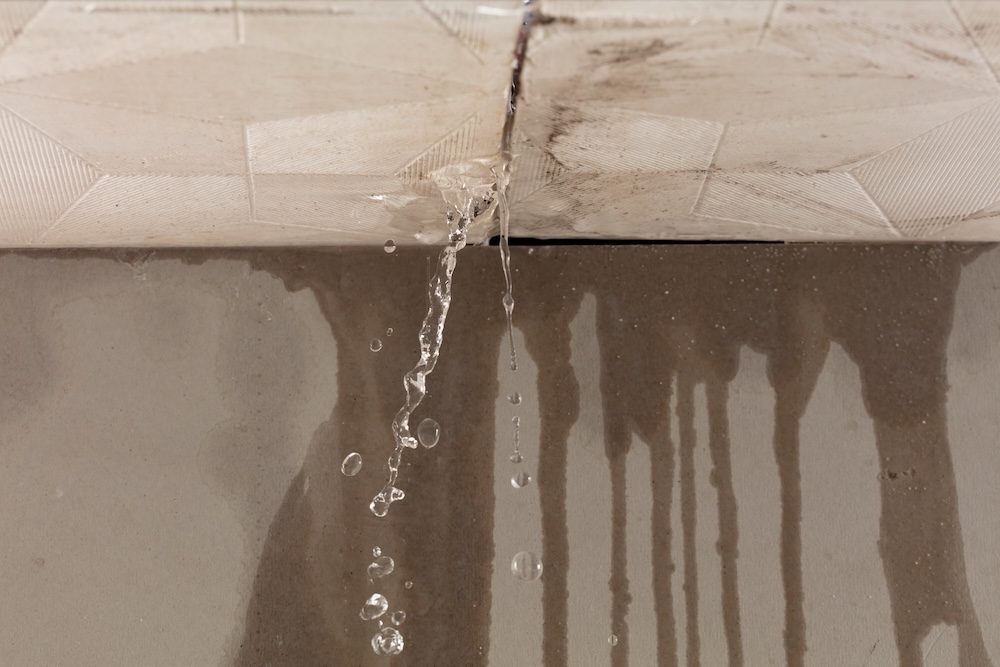
If you notice water stains on your ceilings or walls, it may indicate a roof leak that requires urgent attention. Take photos of any visible roof damage from the storm for insurance purposes. While a visual check can reveal many issues, some problems may not be immediately apparent.
Checking Siding and Window Damage
Once you’ve assessed the roof, shift your focus to the siding and window damage from storms, as these are also vulnerable during some weather events. Inspect the siding for any cracks, dents, or missing panels, as these can lead to water intrusion and potential mold growth if left unaddressed. For windows, inspect for any cracks or broken glass.
Documenting Damage for Insurance Claims
Accurate documentation facilitates a smooth insurance claim process. Begin by taking clear photos of all damage, capturing both wide shots and close-ups from different angles. Alongside photos, keep detailed notes on the damage and any steps you’ve taken to prevent further issues. Contact your insurance provider promptly with this information to help expedite your claim and secure the funds needed for repairs.
Emergency Storm Restoration Tips
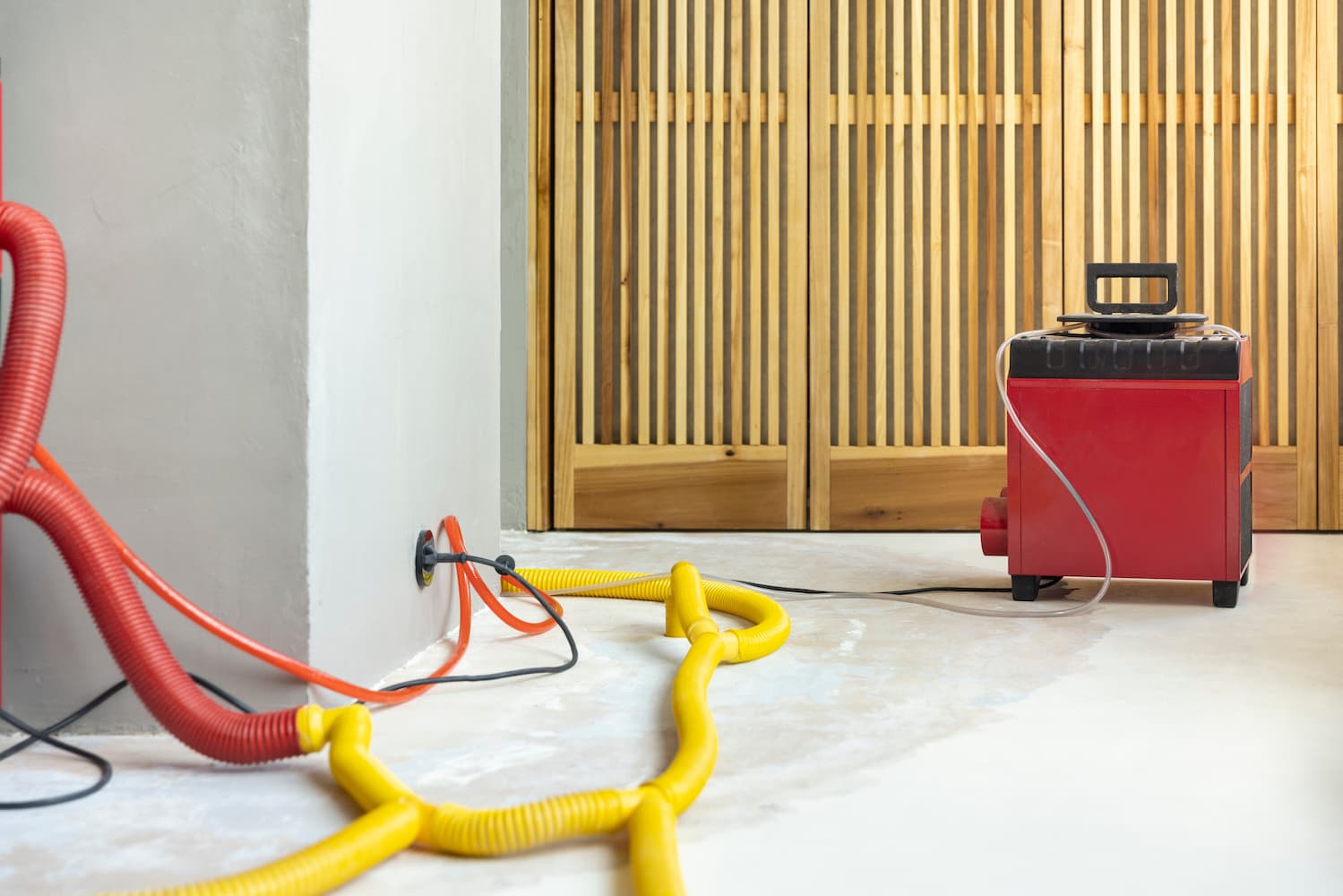
Act quickly to prevent further damage. Temporary measures, such as tarping the roof or boarding up windows, can shield your home from further weather exposure. Ensure that gutters and downspouts are clear to allow for proper drainage and prevent water from pooling around your foundation. For significant damage, professional help is essential. Paul Davis Restoration offers 24/7 emergency services to stabilize your property and prevent further deterioration.
When to Contact a Storm Restoration Specialist
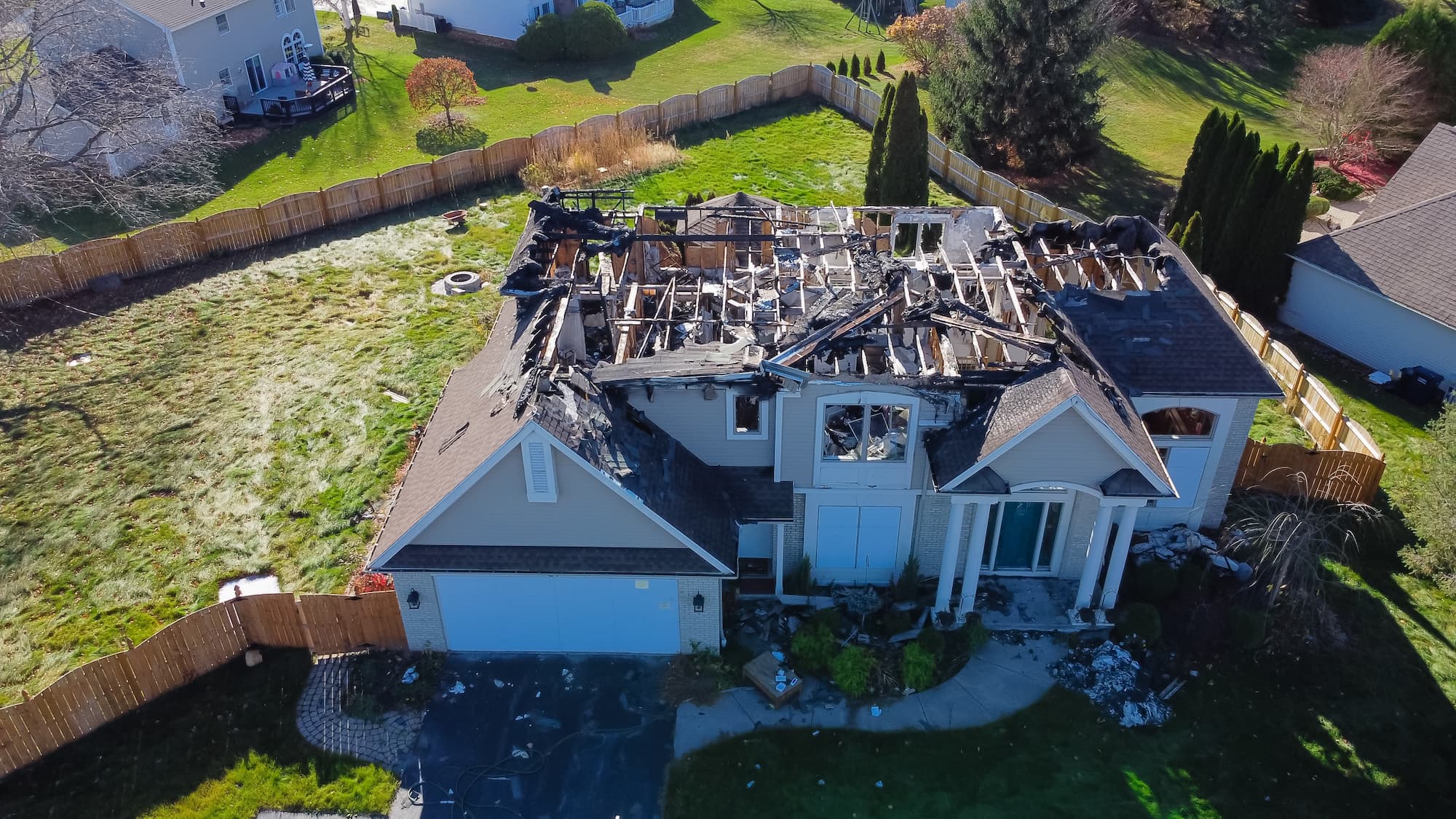
While minor repairs might be manageable on your own, extensive damage often requires professional expertise. Signs that you need expert help include structural issues, ongoing leaks, or feeling overwhelmed by the scope of the repairs. Paul Davis Restoration of Mid-Michigan provides a swift response and reliability, with a 30-minute response time to address emergencies. Our certified specialists handle all aspects of storm damage restoration.
By focusing on safety, thoroughly assessing and documenting damage, and knowing when to call in experts, you can protect your home and speed up repairs. For professional assistance, contact Paul Davis Restoration of Mid-Michigan today. Visit our website for more information and immediate support.
Image credit: // Shutterstock // ND700