When water gets into your home, it’s normal to have a lot of questions. Should you turn off the water first? Do you need restoration or mitigation? Who should you call? What does water remediation mean, and what does a mitigation company actually do? Many homeowners aren’t sure how mitigation works, how it differs from repairs, or where remediation fits in. Knowing what each step involves helps you respond quickly, limit damage, and lower the risk of mold or structural issues.
Compare mitigation vs remediation, learn the water mitigation definition, understand how restoration fits in, and discover why timing matters after water intrusion.
What Is Water Mitigation?
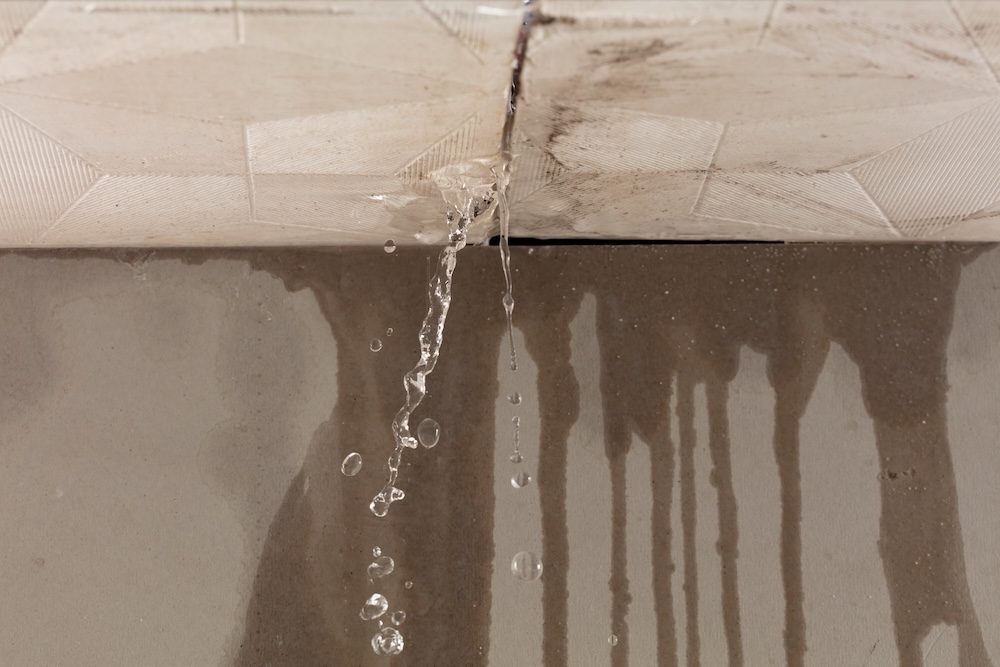
Water mitigation is the first step after water gets into your home. The goal is to control the situation and prevent further damage. This step is about stabilizing things, not making repairs yet. If water isn’t stopped, it can quickly soak into walls, floors, and the structure, increasing the risk of mold growth and permanent damage.
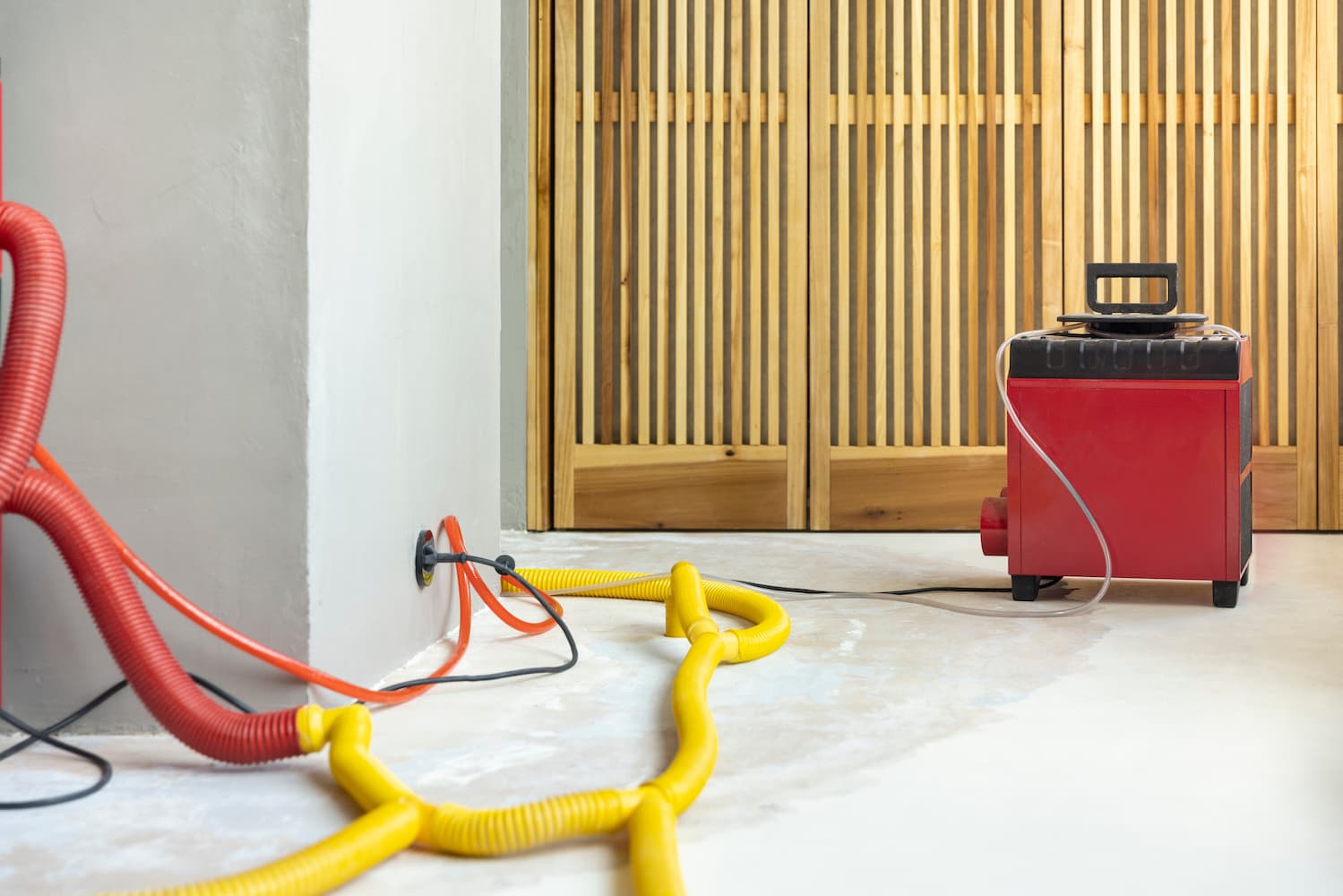
Mitigation usually begins by stopping the water at its source, such as by turning off a supply line or fixing leaks. Next, crews remove any standing water with special equipment, then dry and dehumidify the area to control moisture. These steps keep water from spreading further into your home.
Mitigation limits how far and how long water can spread, which means fewer repairs are needed later. It also prepares your home for safe, effective restoration work.
What Is Water Damage Restoration?
Once mitigation has stopped the water and limited the damage, the next step is restoration. Restoration repairs and rebuilds the damaged areas, making your home safe and usable again.
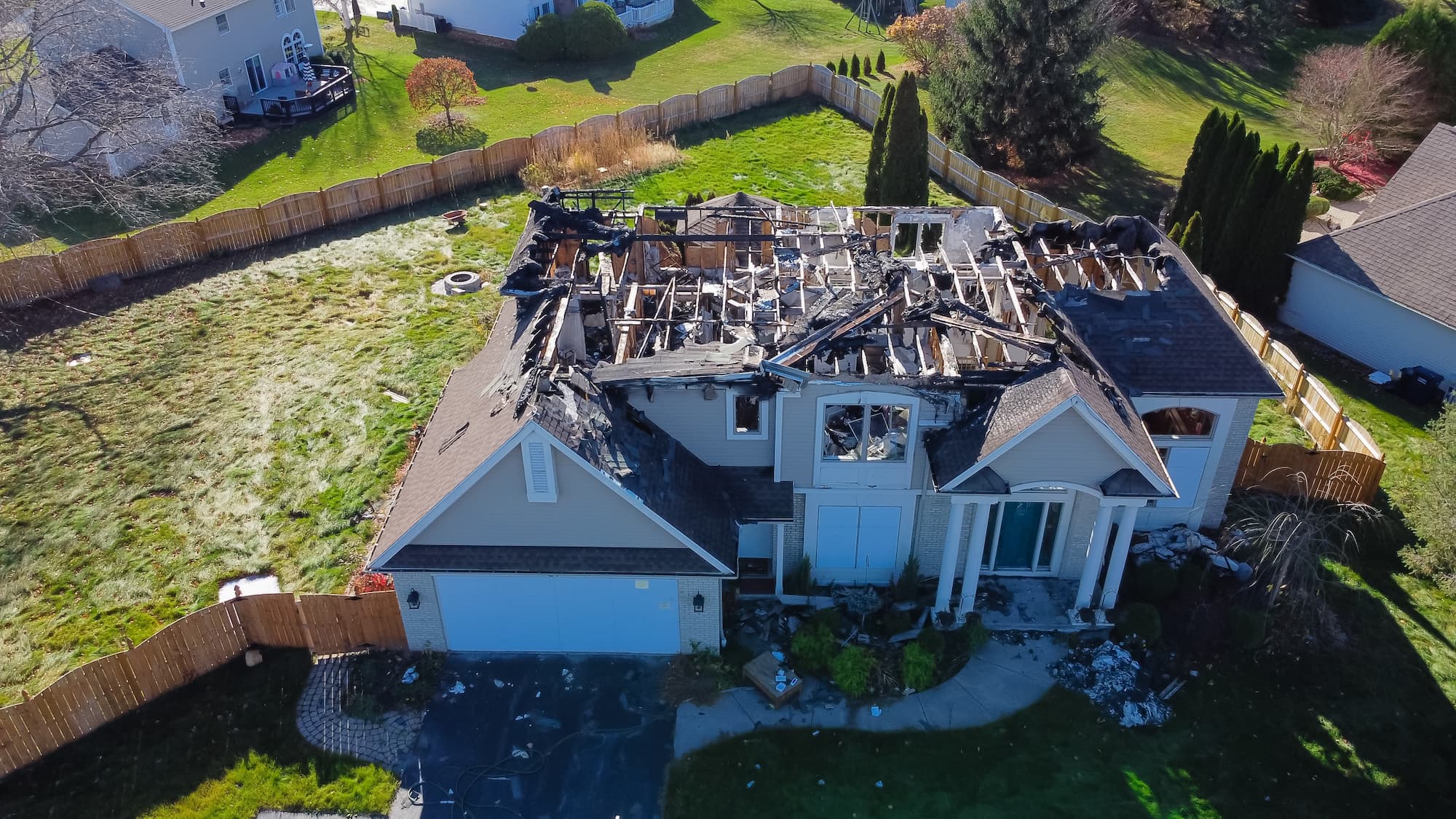
During restoration, crews remove items such as drywall, insulation, flooring, or cabinets that can’t be dried out. They clean and sanitize the area to lower health risks, then rebuild surfaces so your home looks and works as it should. If water has weakened the structure, they also repair framing, subfloors, or supports to keep your home stable.
If you wait too long to start restoration, hidden moisture and damaged materials can stay in your home. Finishing this step helps prevent more damage, keeps your air quality safe, and lowers the risk of long-term structural issues.
Mitigation vs. Remediation: Key Differences
Recovering from water damage usually involves two main steps, which can be confusing. Each one has a different purpose, but both are important. Here’s how mitigation and remediation compare.
Mitigation typically includes:
- Stopping the source of water intrusion to prevent continued damage.
- Extracting standing water to reduce saturation.
- Drying affected materials to limit the spread into walls and flooring.
- Stabilizing the environment to prevent additional moisture problems.
Remediation typically includes:
- Removing contaminated or unsalvageable materials that cannot be restored.
- Cleaning and sanitizing affected areas to reduce health risks.
- Addressing mold, bacteria, or other hazards left behind by water.
- Preparing the space for repairs or rebuilding.
Mitigation protects your home right away, while remediation focuses on long-term safety and keeping your indoor air clean.
Why Both Processes Are Essential
Mitigation handles the immediate damage, but it’s not the end of the process. Restoration services rebuild what was damaged and make your home safe to use again. A good mitigation company will stop the water, dry out the area, and prevent further spread. Then, restoration teams repair materials, fix hidden damage, and make your home livable again.
If you skip mitigation, water can continue to spread. If you skip restoration, you’re left with weak materials, leftover moisture, and safety risks. Doing both steps protects your home, keeps the air healthy, and lowers the chance of future damage.
Take Control After Water Damage
If you have water damage, acting fast and following the right steps helps protect both your home and your health. Mitigation limits immediate damage, and restoration repairs the affected areas so you can use your space safely again.
When significant water damage occurs in your home, you need professional help. Contact Paul Davis Restoration Mid-Michigan for experienced support, a fast response, and complete water damage recovery services tailored to your situation.