If you own a Mid-Michigan lake cottage that you use as a seasonal home, you’re already aware of the risk of water damage due to storms. There are several other reasons damage may occur, from a burst pipe to a leaky roof. Understanding the potential causes of water damage and what to do afterward can help you protect your property in a situation where a few hours can make a big difference.
Common Causes of Water Damage
Water damage at Mid-Michigan lake cottages typically occurs due to inclement weather or plumbing leaks. Summer storms can cause tree branches to puncture your roof, allowing water to seep in. Overflowing gutters can let water seep indoors, especially if your foundation already has cracks or your windows leak. Plumbing issues like burst pipes, corrosion, a leaking water heater, and worn pipe fittings can also lead to flooding, leaks, and subsequent water damage.
Why Water Damage Is Even Worse for Seasonal Homes
Water damage is a serious problem in any home, but it can be even worse at your seasonal lake cottage. Leaks can be present for weeks or months while the property sits vacant. This allows damage to worsen, potentially leading to severe mold growth and structural issues.
Signs Your Cottage Has Water Damage
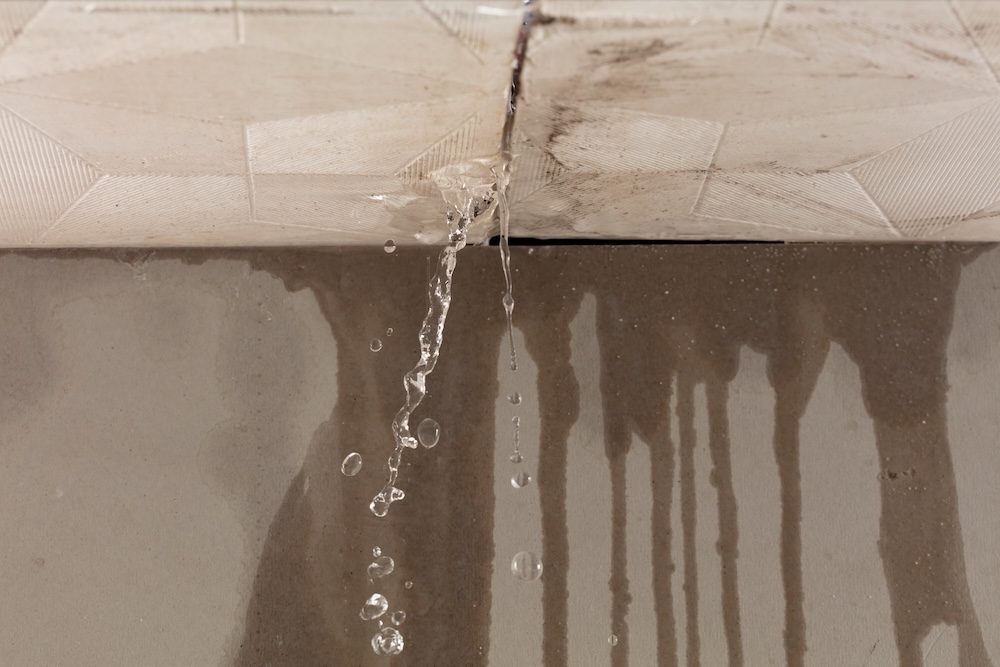
Pooling or dripping water, wet flooring and belongings, and water stains on ceilings and walls are some obvious indicators of a leak. However, there are also less noticeable signs, such as musty odors and high indoor humidity. In some cases, there’s extensive damage behind the walls due to wet materials and mold damage. This type of damage is much harder for homeowners to detect without professional leak detection, since it can stay hidden behind walls for weeks or longer.
DIY vs. Professional Assistance
It’s tempting to take water cleanup and restoration into your own hands. Basic cleanup is generally okay, such as using a wet/dry vac to remove standing water. However, extensive cleanup and restoration are tasks best left to the experts.
Our team has the knowledge and tools to do the job thoroughly and correctly. Otherwise, it can be easy to miss hidden damage that could continue to get worse. Mold growth and structural damage are significant risks that require advanced equipment and expertise to solve. Our IICRC-certified team has the tools and knowledge to ensure the job gets done right, secondary damage is prevented, and costs are kept as low as possible.
What to Do Immediately After Discovering Water Damage
Once you notice water damage, you must act fast to prevent it from getting worse. Your first instinct might be to remove as much standing water as possible by using old towels or a wet/dry vac. However, it’s better to document the damage first in case you need to submit the photos or videos to your insurance company.
Next, contact the residential restoration team at Paul Davis Restoration of Mid Michigan & Ann Arbor. We can tell you what steps to take while you wait for us to arrive. For instance, you may need to shut off electricity or a water line to prevent shock hazards and further damage. We’ll schedule an appointment so we can handle the situation quickly.
If it’s safe to do so, move as many of your belongings as you can out of the area. This protects them from further damage while also giving our team access to the space.
If there’s any mold damage, don’t touch the area. Leave that to our professionals. Disturbing it can release mold spores into the air, which is dangerous to your health, and can also cause the mold to spread. This is a particularly dangerous situation if you have respiratory issues. Vacate the home until we can determine the seriousness of the problem.
Professional Water Restoration Processes and Tools
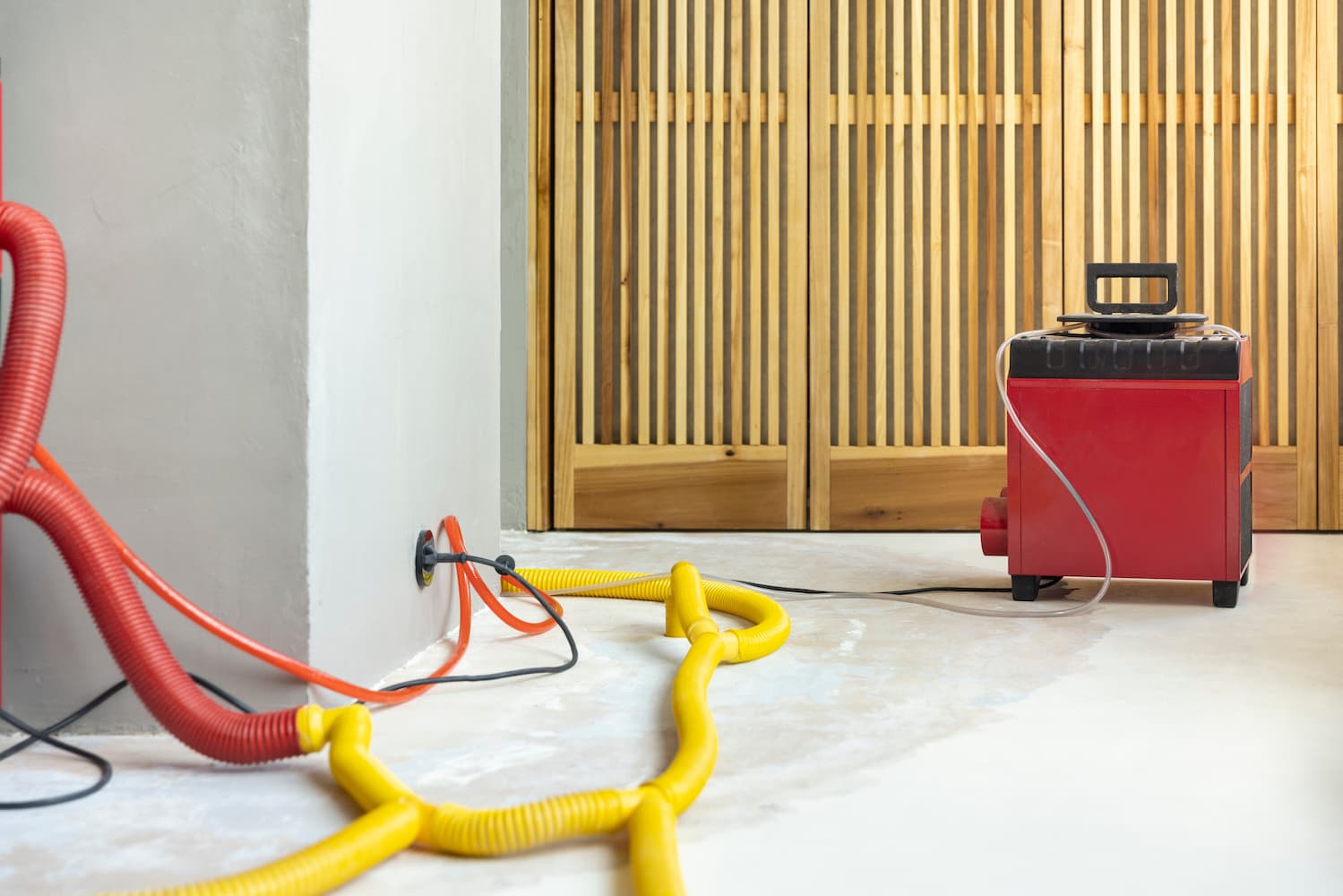
Once our experts from Paul Davis arrive on the scene, we will perform an inspection. This allows us to identify the source of the issue and develop a plan for how to proceed. Depending on the type and extent of damage, we may use tools such as dehumidification equipment and thermal imaging cameras.
Our water damage cleanup and restoration process is extensive, as you’d expect. You can expect water removal, mold cleanup, source identification, and dehumidification, among other similar work. If necessary, we’ll also clean and restore your belongings to bring them as close as possible to their pre-damage condition.
Additional services include sanitization and odor removal. As part of our commitment to complete client satisfaction, we’ll even help you file insurance claims.
How to Prevent Future Water Damage at Your Cottage
Some types of water damage at your Mid-Michigan cottage are hard to avoid. This includes slow leaks and moisture seepage. However, you may be able to prevent many problems by taking a proactive approach.
Since summer storms can cause serious roof and storm damage that leads to water intrusion, an annual professional roof inspection is essential. Roofers can look for issues like damaged flashing and missing shingles that allow water to seep in. Consider scheduling an inspection after inclement weather events.
Booking an annual plumbing inspection is an additional step that helps address plumbing problems. Issues like hidden leaks behind walls and a malfunctioning water heater can easily result in serious water damage. These routine inspections can help keep your appliances, plumbing system, and roof in good condition.
In the meantime, look for condensation on pipes and monitor your water usage for sudden increases. These signs can indicate a leak.
It’s smart to have someone check on your property during long vacancies. This lets you identify problems early instead of waiting until you arrive for the summer. Installing smart water detectors can also be beneficial. These devices detect unexpected water leaks and moisture in areas like under sinks and near water-using appliances.
Our team at Paul Davis Restoration is here to help, whether you need emergency assistance or professional remediation. Preparation can help you minimize damage as well as cleanup and restoration costs.
Contact Paul Davis Restoration of Mid Michigan & Ann Arbor today for comprehensive water damage restoration.