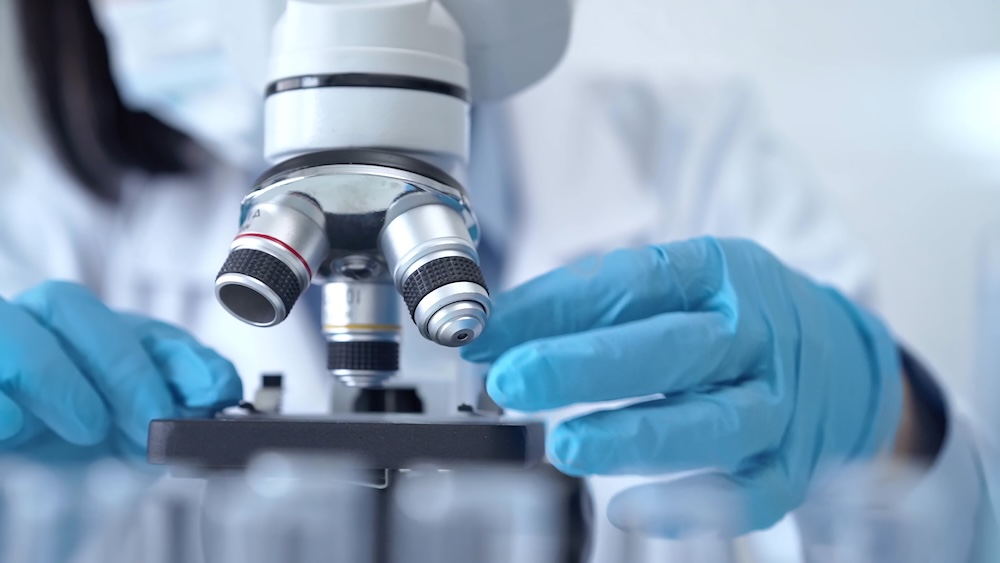
Smoke and soot can reach sensitive instruments in an Ann Arbor research lab even when the fire is well outside the lab or contained to another part of the building. Fine particles can travel through ventilation systems and settle on equipment that was never near the flames.
For lab managers, the right response focuses on containment, documentation, equipment isolation, and specialized restoration. Following a clear plan before moving, cleaning, or restarting instruments can help prevent additional damage and uncover problems that aren’t immediately visible.
What Should Lab Managers Do First When Smoke Reaches Sensitive Instruments?
Your first priority is safety. Once emergency services clear the building for re-entry, the focus can shift to limiting further damage. Resist the urge to start cleaning or moving equipment, as early actions can affect how much can be restored.
Contact a restoration company that handles commercial fire damage as soon as possible. While you wait, restrict access to the affected areas to keep soot from spreading. Before changing any ventilation settings, coordinate with facilities staff and your environmental health and safety team because fume hoods and room pressurization depend on the building’s exhaust system. Start documenting the scene with photos and videos, which will support your insurance claim.
Keep Instruments Offline Until Soot Exposure and Ventilation Paths Are Checked
Equipment exposed to smoke, soot, or firefighting water should remain out of service until qualified personnel can evaluate it. Some smoke residues can cause corrosion or electrical shorts, making it risky to operate contaminated instruments. Freezers and incubators holding critical samples need special attention. Work with your facilities and research teams to assess electrical safety, maintain safe storage conditions where possible, and transfer samples to backup equipment when necessary.
Restoration professionals can assess visible contamination and help identify equipment that needs further inspection. Internal components, including cooling fans, power supplies, and sensitive electronics, may require evaluation by qualified equipment specialists or the manufacturer. The building’s ventilation system should also be assessed to determine how far smoke contamination may have spread.
Which Lab Instruments and Records Should Be Documented Before Cleanup?
Thorough documentation supports both your recovery and your insurance claim. Once affected areas are safe to access, document potentially exposed instruments and records before they’re moved or cleaned whenever practical. Record any emergency work that must begin before the inventory is complete. Include the make, model, and serial number where possible, along with photos showing each item’s condition.
- Microscopes
- Balances
- Incubators
- Freezers
- Centrifuges
- Spectrometers
- Computers
- Servers
- Sample storage units
- Lab notebooks
- Calibration records
- Chain-of-custody records
- Supply cabinets
- Rooms with smoke odor or soot residue
Why Soot Can Affect Instruments That Still Look Usable
An instrument can look clean on the outside while still having soot inside. Fine particles may enter through vents and seams, reaching electronics, optical surfaces, and precision mechanical components. Even a thin film on lenses or sensors can affect readings on instruments that require precise calibration.
Some problems appear immediately, while others develop over time. Depending on the residue and environmental conditions, corrosion may affect circuit boards and connectors long after the fire. An instrument that initially appears functional may still need cleaning, inspection, or recalibration before returning to service.
How Smoke Moves Through HVAC, Vents, Hoods, and Lab Support Spaces
Lab buildings often rely on outdoor air intakes and high air-exchange rates, so smoke from a nearby fire can be drawn inside quickly. Shared return air in offices and corridors can then carry it to rooms far from the source. Residue left inside ductwork can also release odors and particles when the system runs again.
Chemical fume hoods, biological safety cabinets, and other laboratory ventilation equipment need separate evaluation after smoke exposure. Fume hoods typically exhaust air through dedicated systems, while biological safety cabinets use controlled airflow and HEPA filtration. Depending on the equipment and exposure, filters, exhaust connections, and airflow performance may require inspection. Biological safety cabinets may also need recertification before returning to use.
Smoke can also move through ceiling plenums and utility chases, reaching spaces that initially appeared unaffected. Facilities personnel should review these pathways before changing airflow or returning ventilation equipment to normal operation.
Which Instruments Should Be Isolated Before the Lab Reopens?
Instruments exposed to visible soot or significant smoke should remain out of service until their condition has been assessed. Equipment in rooms connected by affected ventilation pathways may also need evaluation, even when no residue is visible. The goal is to identify potentially contaminated assets without unnecessarily removing unaffected equipment from service.
How to Separate Critical Research Assets From Equipment Awaiting Inspection
Work with your environmental health and safety team to establish controlled areas for potentially affected equipment. Temporary barriers may be appropriate, but they shouldn’t interfere with the lab’s ventilation or containment systems. Label instruments according to their inspection status, such as “Awaiting Assessment” or “Cleared for Use,” and move them only after qualified personnel determine that they’re safe to handle.
Our team can help coordinate content restoration for items that can be safely cleaned or relocated. Keeping an inventory of equipment locations and inspection status helps prevent contaminated instruments from being returned to active research areas prematurely.
When Electronics Restoration Is Needed for Lab Equipment and IT Systems
For equipment with circuit boards, from centrifuges to computers, standard cleaning methods often aren’t enough and can cause more harm. Professional electronics restoration uses specialized cleaning methods to remove soot and corrosive residue from sensitive components. In some cases, it can also help retrieve data from damaged computers and storage devices.
Wiping down surfaces or using compressed air can push contaminants deeper into sensitive components. Electronics restoration specialists can help determine which devices are candidates for cleaning or repair. Scientific instruments may also need manufacturer-approved servicing, recalibration, or performance testing before returning to research use.
Before returning restored instruments to service, have your lab’s equipment owners and quality team confirm that required inspections, calibration checks, and performance tests are complete. Instruments used in regulated research may also need additional qualification or documentation under your facility’s procedures.
How Document and Photo Recovery Applies to Lab Records and Research Files
Paper records can be just as important as the equipment. Lab notebooks, calibration logs, and other key paperwork can be damaged by smoke and soot, as well as by water from fire suppression. Affected pages may become brittle or hard to read. Calibration and chain-of-custody records deserve extra care, as gaps in them can cause problems during audits.
Professional document and photo recovery may help preserve affected records through specialized drying and cleaning methods. Before moving or treating important research documents, coordinate with your lab’s quality or records management team to protect chain-of-custody information and maintain required documentation.
How to Prioritize Recovery by Safety, Research Continuity, and Replacement Time
With so many assets affected, a clear triage plan helps. Prioritize the recovery effort based on safety, research continuity, and replacement time. Input from your research teams helps here because they know which projects and samples can’t wait.
Address equipment containing hazardous materials or connected to damaged utilities before recovery work begins. From there, prioritize instruments, samples, and data based on research deadlines, risk of further deterioration, and replacement lead times. Some equipment may need immediate stabilization, while other assets can be assessed or replaced in parallel.
What Insurance Documentation Helps Support a Lab Smoke Damage Claim?
Your insurer will need detailed evidence to process your losses accurately. Start with the inventory list you created and the photos and videos taken before cleanup. Records that establish each item’s value, such as purchase orders or maintenance logs, are also useful. Our assessment report and scope of work provide additional documentation, and we give your insurance adjuster feedback within 24 hours to help keep the claim moving.
Recover Smoke-Damaged Lab Instruments With Paul Davis Restoration
At Paul Davis Restoration of Mid Michigan & Ann Arbor, we provide commercial restoration services for fire and smoke damage affecting laboratory buildings, electronics, and contents. Our emergency services can help you begin recovery while coordinating with your facility’s safety personnel and equipment specialists.
To restore smoke-damaged lab instruments in Ann Arbor, contact us at Paul Davis.