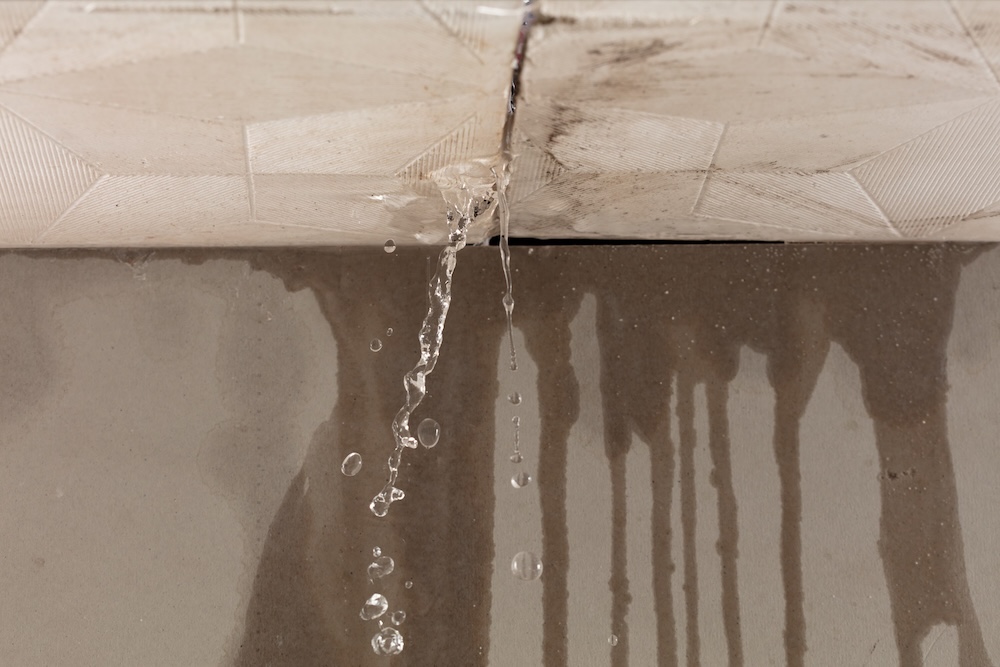
Water damage in a battery production facility can affect far more than the floor or walls. A leak near production equipment, electrical controls, testing systems, or material storage can interrupt an entire process long before the water spreads very far. In Lansing, MI, where energy storage and advanced manufacturing continue to grow, the first goal is to keep people safe, contain the loss, and protect nearby production areas from becoming part of the problem.
The specific industrial restoration response depends on your facility and the type of damage. A plumbing leak, roof failure, sprinkler discharge, or firefighting effort can each affect different systems, so restoration has to work with the plant’s safety rules, equipment requirements, and production schedule.
Start by Containing the Water Loss
Keep employees out of wet areas near production equipment or electrical systems and establish a clear boundary around the affected zone. Trained facility personnel should identify the source and stop the flow when it can be done safely.
If the loss involves energized equipment, untrained staff should not disconnect power or move machinery. Electrical isolation needs to follow the facility’s own procedures and the guidance of qualified personnel.
At the same time, note which production lines, rooms, utilities, or controls were taken offline. That information becomes important later when teams decide what can reopen and what still needs work.
Protect Nearby Equipment Before Moisture Spreads
Water does not have to reach a machine directly to create water damage problems. Rising humidity, condensation, and hidden moisture around equipment bases can affect electronics, sensors, testing systems, and control panels that appear dry from the outside.
Identify the assets closest to the loss first and protect them when the facility’s safety procedures allow it. Portable items should only be moved along a clean, dry route, and larger equipment should stay in place until engineering, safety, or manufacturer guidance supports relocation.
Keeping unaffected production areas separate from restoration traffic also matters. The fewer people and materials moving through active work zones, the easier it is to protect normal operations.
Document the Loss Before Cleanup Changes the Scene
Once immediate hazards are under control, create a clear record of what happened. Take wide photos of affected production areas first, then capture closer images of machinery, building materials, visible water paths, and any residue or damage.
Build a simple timeline that shows when the water was discovered, what was shut down, who was notified, and how access changed. Keep maintenance records, work orders, vendor messages, and restoration reports with the same incident file.
- Suspected water source
- Affected production zones
- Equipment and electronics exposed
- Visible water migration
- Shutdown and isolation actions
- Photos and videos
- Insurance and vendor communications
Find Hidden Moisture Before Setting the Drying Plan
The water you can see is only part of the loss. Moisture can move under flooring, behind walls, into insulation, around utility penetrations, and beneath equipment bases.
Professional moisture mapping from an expert commercial restoration team helps define the true drying zone without opening unrelated areas unnecessarily. Follow-up readings can also show whether the affected area is shrinking as materials dry, which gives facility teams better information when they plan access and production changes.
Fit the Drying Plan Around Active Production
Industrial drying has to work around the facility’s normal controls rather than override them. Extraction, air movement, and dehumidification may be needed, but equipment placement should account for production routes, emergency access, and sensitive work areas.
Changes to temperature, humidity, or airflow should be coordinated with the responsible engineering or environmental teams. A faster drying setup is not useful if it interferes with a controlled process or creates a new issue elsewhere in the building.
Any temporary changes should be documented so normal operating conditions can be restored correctly when the work is finished.
Keep Unaffected Production Areas Out of the Work Zone
A localized water loss does not always require shutting down an entire facility. If nearby areas remain safe and can be separated from restoration work, production may be able to continue there.
That depends on having clear routes for employees, restoration crews, equipment, and removed materials. Existing doors and facility zones may provide enough separation in some areas, while demolition or dusty work may call for additional containment.
Access plans should change as the job changes. If a route closes or the work zone expands, employees need to know before they reach the area.
Evaluate Water Exposed Equipment Before Restarting It
Equipment should not return to service just because the exterior looks dry. Water can affect internal electronics, wiring, sensors, and controls that are not visible during a quick inspection.
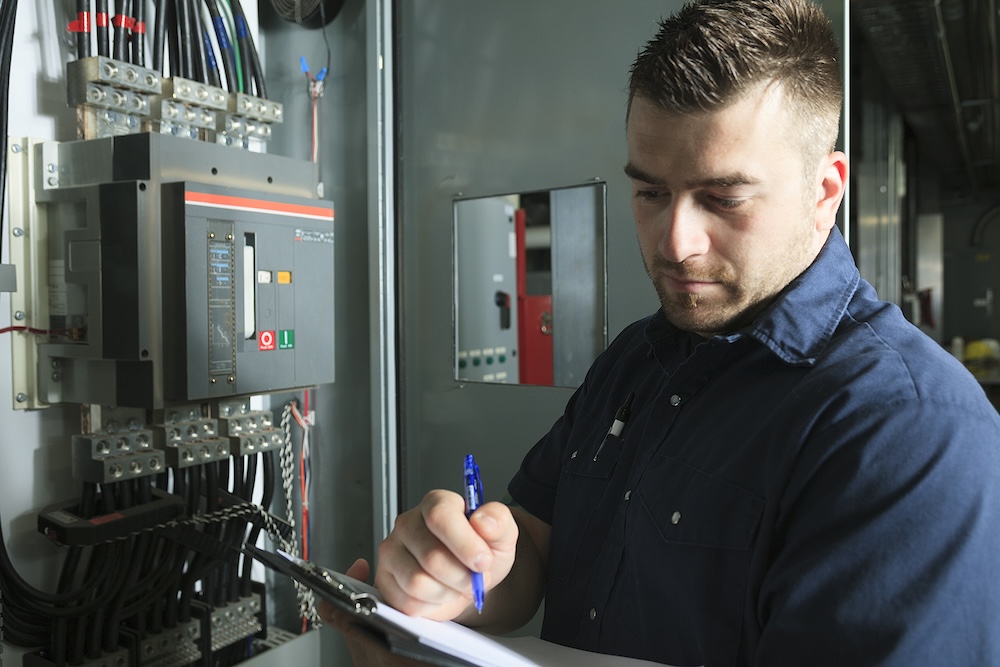
Facility engineers, qualified electrical professionals, and equipment manufacturers may all have a role in deciding when a machine can be tested or restarted. Restoration teams can address the surrounding building materials, but electronics and technical equipment needs its own evaluation.
Keep inspection results and repair decisions with the incident record so operations teams have a clear status for each affected asset.
Check Wet Building Materials for Mold Before Repairs Begin
Mold becomes a concern when building materials stay damp long enough for growth to develop. Musty odors, recurring moisture, or visible growth should be investigated before walls, flooring, or other finishes are closed back up.
If mold is present across a larger area, the work may need separate containment and remediation procedures. Drying the building without correcting the original moisture problem will not prevent it from returning.
Set Clear Conditions for Returning Production Areas to Service
A production zone should reopen only after the structure is dry, required repairs are complete, and affected equipment has been cleared for use. Moisture readings should support that decision rather than relying on surface appearance.
Before handoff, confirm that utilities, access routes, and building systems are working as intended. A short reopening checklist can help track any remaining repairs, equipment approvals, environmental readings, or final cleaning needs.
Choose a Restoration Partner That Understands Industrial Facilities
Battery production facilities need more than basic water removal. Restoration work has to account for electronics, machinery, controlled work areas, and the fact that other parts of the plant may still be operating.
Paul Davis Restoration of Mid Michigan and Ann Arbor provides industrial restoration and commercial water damage services, along with electronics support, large-loss capabilities, and 24/7 emergency response. Our IICRC-certified water restoration specialists can help define the affected area, document conditions, and coordinate drying around the facility’s operating requirements.
Keep Lansing Production Moving After Water Damage
A controlled response can protect both damaged areas and the parts of the facility that remain operational. The key is to isolate the loss, understand how far the moisture traveled, and avoid restarting equipment or closing walls before the affected area is truly ready.
For industrial restoration and water damage response at your Lansing energy storage facility, contact Paul Davis Restoration.